

A multi-city trip is the best kind of trip and the easiest one to mangle. Three countries in two weeks. Rome, then Florence, then Venice. A week in Japan that touches Tokyo, Kyoto, and Osaka. The destinations are the dream. The logistics are where the dream goes to die, because a multi-city trip is not several small trips stitched together. It is one trip with connective tissue, and the connective tissue is the part that breaks.
This guide is about the connective tissue. How to order your cities so you are not backtracking, how to book the flights so you are not paying for a round trip you do not need, how to move between cities, how many nights each place actually deserves, and how to keep all of it in one plan that updates when one piece moves. Get the connective tissue right and the trip runs itself.
Plan it as one trip, not three
Start here, because this single decision saves the most pain. The instinct when a trip has multiple stops is to plan each city separately, like a stack of mini vacations. Resist it. A multi-city trip is one continuous journey, and the moment you treat the stops as independent you lose the thing that matters most: the handoffs between them.
When Rome, Florence, and Venice live as three separate plans, nothing tells you that your Florence hotel checkout is four hours before your Venice train, or that arriving in Venice after the last water bus means a long detour. When they live as one plan in order, those gaps surface on their own. So whatever tool or notebook you use, keep the whole trip in one place, in sequence. In AIrConxt this is the default. You add a hotel in Rome, a hotel in Florence, a hotel in Venice, and it reads them as a single multi-city sequence and builds the days in order, with the transitions between cities treated as part of the trip rather than an afterthought. One trip, multiple hotels. Never break a single journey into separate plans.
Step 1: Sequence your cities to stop backtracking
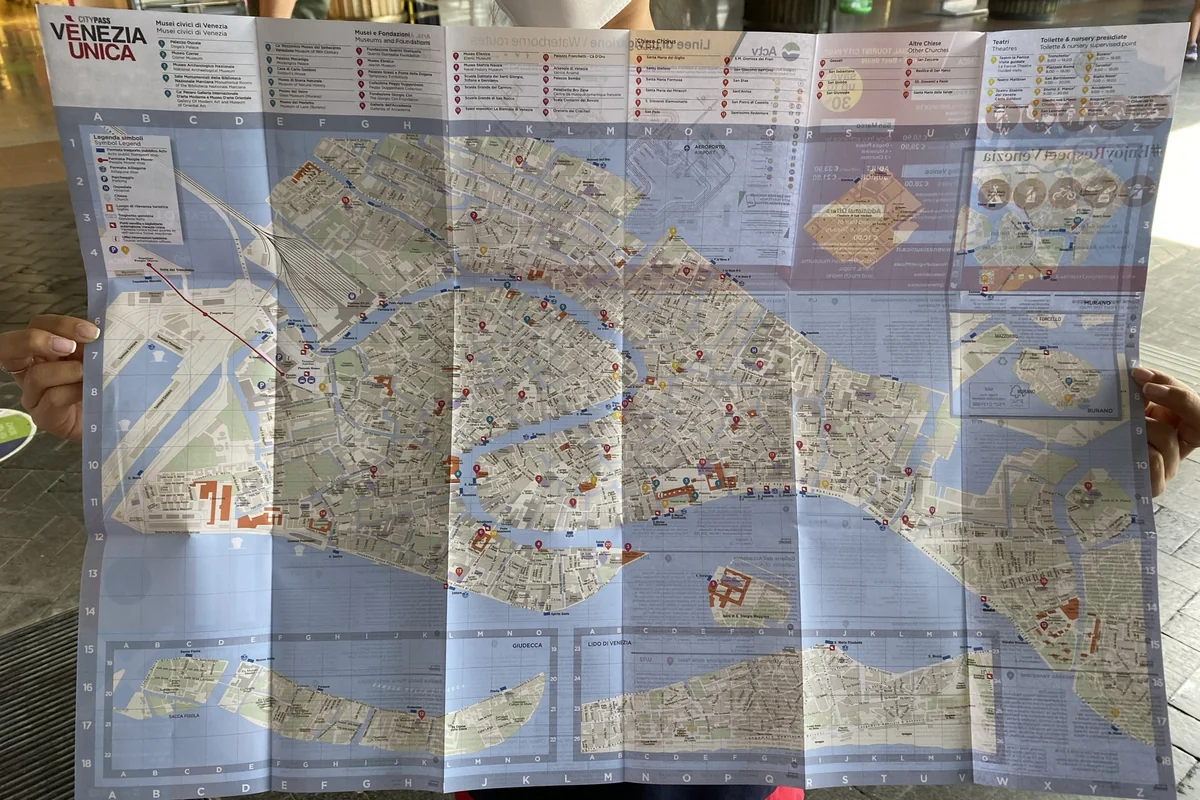
The order you visit cities in is the highest-leverage decision in the whole trip. Get it right and every leg moves you forward. Get it wrong and you cross the same ground twice, burning a half day each time.
A few rules that hold almost everywhere:
- Follow the geography, not your wish list. Lay the cities on a map and find the route that visits each one once without doubling back. A loop or a straight line beats a star pattern that keeps returning to a hub.
- Enter and exit at the ends. Fly into the first city on your route and out of the last one. This is the open-jaw flight, and it is the single biggest multi-city money and time saver. More on it below.
- Put the long-haul recovery first. If you are crossing many time zones, make the first stop the one where a slow, jet-lagged day does the least damage. Save the high-energy city for when you are adjusted.
- Mind the one-way constraints. Some transitions only run well in one direction, like a ferry schedule, a scenic train that sells out one way, or a car drop-off fee that is brutal in reverse. Let those pin down the order.
Step 2: Book the flights right (open-jaw beats round trip)
Most people book a round trip into and out of the same city, then scramble overland back to where they started to catch the flight home. That backtrack is pure waste. The fix is the open-jaw, sometimes called a multi-city fare: you fly into your first city and home from your last city, and the airline prices it as one itinerary.
Why it wins:
- No backtracking. You end the trip where the trip ends, not where it started.
- Often the same price or cheaper than two one-way tickets, and frequently close to a round trip.
- One itinerary, one record locator, which matters for protection if a leg is delayed.
When you search flights, use the multi-city or “multiple destinations” option rather than two separate round trips. Put your arrival city as the first leg and your departure city as the last. The round-trip-style pricing only holds when you book it as one ticket, and the exact fare still depends on seat availability for each city pair, so compare the multi-city result against separate one-ways before you commit. The middle, city to city, you will usually cover overland, which is the next step.
Step 3: Connect the cities (train, plane, ferry, car)
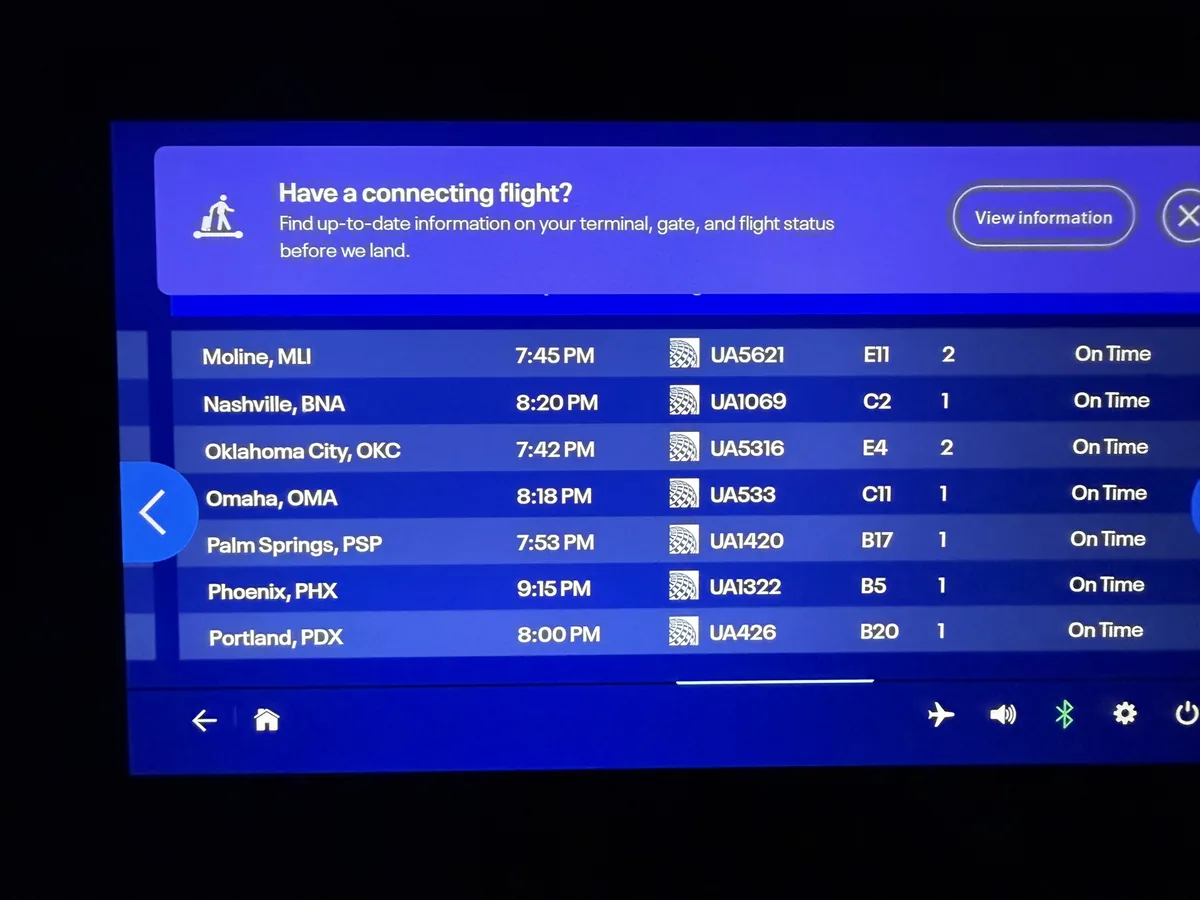
Between your endpoints, you have to actually move from one city to the next. The right mode depends on distance and geography, and it changes the texture of the trip.
| Distance between cities | Usually best | Watch for |
|---|---|---|
| Up to ~3 to 4 hours by rail | Train | City-center to city-center, no airport time; book ahead for cheap fares |
| Long, or over water | Short flight | Add airport time both ends; a “1 hour” flight is a half day door to door |
| Scenic or coastal | Ferry or train | Schedules are sparse; one missed boat can cost a day |
| Rural, flexible, several stops | Rental car | Drop-off fees between cities, parking and tolls in town, one-way surcharges |
The trap is treating a city-to-city leg as instant. A short flight between two cities can eat five hours once you count getting to the airport, security, boarding, and getting into town on the far end. Build that time into the day it happens, and do not schedule anything tight on a transition day. In a multi-city plan, the travel day is a real day with its own logistics, not a magic teleport between two vacations.
Step 4: Decide how many nights each city gets
Pacing is what separates a trip you remember from a blur. The common mistake is even splits, three nights everywhere, which over-serves the small towns and starves the big ones. Allocate by what each place actually holds and by the cost of moving.
A working rule: no stop shorter than two nights unless it is a deliberate stopover. A single night in a city means you arrive exhausted, see almost nothing, and pack again at dawn. By the time you factor in a half day lost to the transition, a one-night stop is mostly logistics. Give the cities with the most to do the most nights, give the small ones two, and let the moving days breathe.
The part nobody does by hand
Here is where multi-city trips quietly fall apart. Each individual piece is easy to book. The flights, fine. The three hotels, fine. The trains between cities, fine. What no one sits down and does is check all the pieces against each other, in order, as one timeline. Does the Florence checkout leave enough margin for the Venice train. Does the Venice arrival land before the things you booked there. Does the open-jaw home flight depart from the city you actually end in. Is there a day with a four hour transfer and a dinner reservation that now collides. That cross-checking is tedious, it is the part everyone skips, and it is exactly where multi-city trips break.
This is the work AIrConxt is built to carry. Put your cities in order, add a hotel in each, drop in your flights and reservations, and it lays the whole journey out as one connected timeline, days in sequence, transitions accounted for, so the collisions and the gaps show up while you can still fix them. Move one hotel or one flight and the plan re-times around it instead of leaving you to find the three other things that just broke. It pulls from multiple real data sources to fill in each city, so the days are grounded in what is actually there, not a generic list.
Long layovers between cities: use your lounge access
Multi-city trips create layovers, and layovers are where airport lounge access pays off. If a city-to-city leg routes you through a hub with a two or three hour connection, that is exactly the window a lounge turns from dead time into a real break with food, quiet, and a clean place to regroup before the next leg. Most travelers already have lounge access through a credit card, airline status, or fare class and never use it. Our airport lounge access guide shows how to check, and AIrConxt surfaces the specific lounges you are likely eligible for at each connection on your route, matched to the cards and status you carry, from our catalog of more than 2,500 lounges at more than 1,100 airports.
Multi-city hubs and routes we cover
We are building guides for the classic multi-city routes and the gateway cities they hinge on. Start with these:
| Route or hub | Why it matters | Guide |
|---|---|---|
| Italy: Rome, Florence, Venice | The archetypal multi-city trip | Planning Rome, Florence, and Venice |
| Japan: Tokyo, Kyoto, Osaka | Rail-perfect multi-city by bullet train | Multi-city Japan by rail |
| Spain: Madrid, Barcelona, Seville | Open-jaw and high-speed rail | Multi-city Spain |
| London plus a Europe add-on | Common open-jaw gateway | London plus one more city |
| Multi-city Southeast Asia | Many short flights, careful sequencing | Multi-city Southeast Asia |
Frequently asked questions
How do I plan a multi-city trip?
Plan it as one continuous trip, not several separate ones. Sequence your cities by geography so you never backtrack, book an open-jaw flight into the first city and home from the last, choose train, plane, or ferry for each leg between them, and keep the whole thing in one itinerary in order so the transitions between cities are accounted for.
What is an open-jaw flight?
An open-jaw, or multi-city fare, is a flight that takes you into one city and home from a different city, booked as a single itinerary. It avoids backtracking to your arrival city to fly home and is often priced similarly to a round trip. Use the multi-city search option rather than two separate round trips.
Is it cheaper to book a round trip or multiple one-way flights for a multi-city trip?
Often a single multi-city (open-jaw) itinerary is the best of both: it avoids the wasted backtrack of a round trip and is frequently priced near a round trip rather than two full one-ways. Always compare the multi-city search result against separate one-ways for your specific route.
How many cities should I visit in one trip?
Fewer than you want to. A good rule is no stop shorter than two nights, because a single night is mostly arrival, sleep, and repacking once you subtract the travel day. Match the number of cities to your total nights so each place gets real time rather than a rushed pass.
How do I get between cities on a multi-city trip?
By train for legs of up to roughly three to four hours, by short flight for long distances or over water, by ferry for coastal routes, and by car when you want flexibility and several rural stops. Build the full door-to-door time of each transfer into the day it happens, since a short flight can still consume half a day.
Should I plan a trip with multiple destinations as one trip or several?
One trip. Several separate plans hide the handoffs between cities, which is where multi-city trips break. Keeping the whole journey in one place and in order is what surfaces the tight connections and the gaps while you can still fix them. In AIrConxt you add a hotel in each city and it builds the whole sequence as one trip.
How many nights should I spend in each city?
Allocate by what each place holds and by the cost of moving, not in even splits. Give the cities with the most to do the most nights, give smaller stops two nights minimum, and treat each travel day as a real day with its own logistics rather than a free transfer.
What is the biggest mistake people make planning multi-city trips?
Treating the stops as independent and never checking them against each other as one timeline. The individual bookings are easy. The cross-checking, whether each checkout leaves room for the next train and whether arrivals land before what you booked, is the tedious part everyone skips and exactly where the trip falls apart.
Your virtual travel guide
Plan your multi-city trip in minutes
Add your cities and a hotel in each. AIrConxt sequences the whole journey, layovers and all, onto one timeline you can share.
More multi-city guides
- How to Plan Your Dream Trip: Rome, Florence, and Venice
- Japan Rail Pass Worth It? Tokyo, Kyoto, Osaka Travel Tips
- Explore Multi-City Spain: Madrid, Barcelona, Seville Itinerary
- How to Plan Your Multi-City Trip: Bangkok, Singapore, Bali
- London Plus One: The Best European City to Add to Your Trip
- Multi-City Flight Search: How to Book Multi-Stop Trips
- Planning a Multi City Europe Trip: Route, Rail, and Pacing
- Multi-City vs Single-Base Trip: How to Choose Your Itinerary
- How Many Cities to Visit in 7, 10, or 14 Days: A Pacing Guide
- Open-Jaw vs Round-Trip Flights: The Multi-City Guide
- How Many Nights to Spend in Each City on a Trip
- Why Generic AI Itineraries Fail for Multi-City Trips
- How to Pace a Multi-City Itinerary and Avoid Travel Burnout
- How to Book Hotels for a Multi-City Trip Without Mistakes
- How to Plan Multi-City Routing Without Backtracking
- Multi-City Trip Cost: How to Budget for Multiple Stops
- Multi-Country vs Multi-City Trips: What Changes When You Cross a Border
- Train or Plane Between Cities: Multi-City Transit Guide
- Paris, Amsterdam, and Brussels by Train: The Perfect Itinerary