
Part of: How to Plan a Multi-City Trip Without Losing Your Mind →
You have probably seen the postcard. It is the one with the blindingly white buildings, deep blue domes, and a sunset that looks like a watercolor painting. Yes, we are talking about Santorini. And maybe you have also dreamed of walking through the ancient ruins of Athens or lounging on the quiet, golden sands of Naxos. It sounds like the ultimate Greek vacation, doesn’t it?
Key Takeaways
- The Meltemi winds peak in July and August, sometimes causing sailing disruptions for high-speed catamarans while larger conventional ferries may continue to run.
- Athens, then Naxos, then Santorini is a geographically sensible route; compare ferry and flight options to see how it fits your dates.
- Consider booking a port transfer in Santorini before you arrive, and allow for traffic on the single road up from Athinios Port.
- Never book a ferry on the same day as your international flight home; always build in a buffer day to protect against weather-related delays.
Here is the thing. When you actually start planning this dream trip, the logistics can quickly turn into a nightmare. You open a map, look at the ferry routes, and suddenly feel completely overwhelmed. You might wonder if you are going to spend your precious vacation time stranded at a windy port, fighting massive crowds, or dealing with sudden cancellations. The truth is, Greek ferry travel can be unpredictable if you do not know the unwritten rules of the Aegean Sea.
We know this feels frustrating. You want a relaxing escape, not a masterclass in maritime logistics. Tight connections become risky when travelers underestimate how local weather or vessel types affect their journey. In this guide, we will show you how to plan Athens, Santorini, and Naxos with practical buffers and transport choices that reduce the most common ferry problems. First, let’s look at why things go wrong, and then we will explore the smart way to plan your route. For the bigger picture, see our guide to planning a multi-city trip.
The Hidden Culprit of Aegean Travel Chaos
Generally speaking, summer in Greece brings beautiful sunshine and warm waters. However, it also brings a powerful natural force known as the Meltemi. These strong, dry northerly winds peak during July and August, blowing directly across the Cyclades. This is not just a light breeze. It is a weather pattern that can completely disrupt your travel plans if you book the wrong boat.
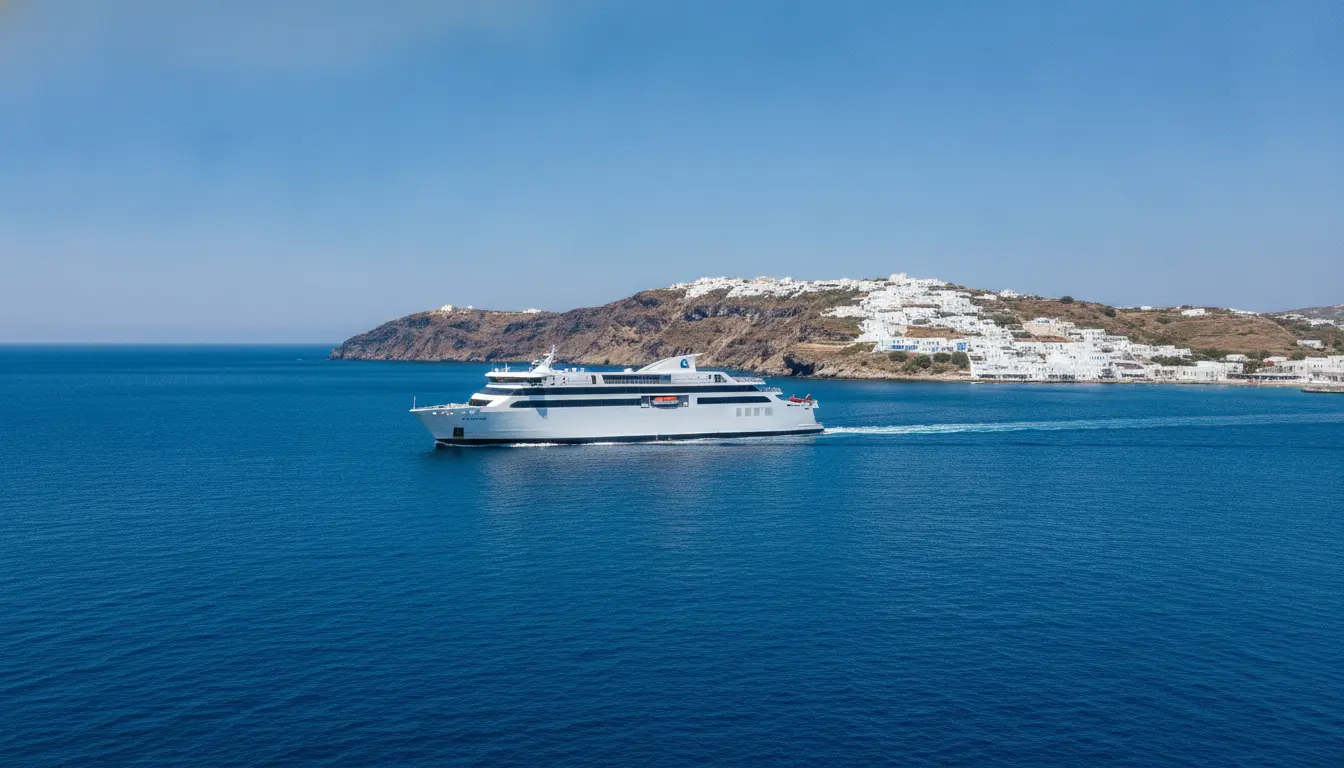
Smaller high-speed catamarans are often hit with sailing bans or cancellations when winds reach certain levels. Larger conventional ferries can often keep sailing in conditions that ground the fast boats, although the port authority decides each day and even big ships are sometimes held in port. If you book a tiny, fast catamaran to save thirty minutes, a sudden summer wind could leave you stuck at the dock for a day or more.
You might be thinking this won’t work because you want to get to the next island as fast as possible. But is saving a half-hour worth risking a canceled trip? In our experience, choosing reliability over speed is the simplest way to protect your Greek vacation from wind delays. By understanding these wind patterns and vessel limits, you can make smart decisions before you ever buy a ticket.
Athens: The Perfect Launchpad
Your journey begins in Athens, a city where ancient history meets a buzzing, modern energy. Many travelers make the mistake of treating Athens as a quick layover, rushing through the Acropolis and leaving the next morning. We highly recommend spending at least two nights here to adjust to the time zone and soak in the culture.
When it is time to head to the islands, you have a major decision to make. Which port should you use? Athens has three main ferry hubs: Piraeus, Rafina, and Lavrio. Piraeus is the largest port in Greece, located just southwest of the city center. It is incredibly easy to reach via the metro, but it is also massive, chaotic, and crowded.
If you prefer a calmer start, look at departures from Rafina. It is a smaller port located closer to the Athens International Airport. It can be convenient when you arrive at the airport, but direct services to Naxos or Santorini depend on the season and operator, so confirm a suitable sailing for your dates before choosing your port. Whichever port you choose, always arrive at least an hour before departure. These vessels do not wait for late arrivals, and the boarding process is fast and loud.
Naxos: The Sweet Spot of the Cyclades
After the high-energy streets of Athens, Naxos will feel like a breath of fresh air. It is the largest island in the Cyclades group, yet it has managed to retain an incredibly authentic, laid-back charm. While neighboring Mykonos and Santorini grab most of the global headlines, Naxos quietly offers some of the best food, beaches, and hiking in the Aegean.
Because Naxos is a massive agricultural hub, it does not rely solely on tourism. The island is known for locally grown potatoes, cheeses such as Graviera, and locally raised meats, and its tavernas are a good place to try all three. The main town, Chora, features a stunning medieval castle winding up the hillside, perfect for evening strolls.
For beach lovers, the western coast of Naxos is a paradise of endless sand. Plaka, Agios Prokopios, and Agia Anna offer crystal-clear, calm waters. If you want to explore traditional mountain villages, rent a car for a day and drive up to Apeiranthos, a mountain village known for its marble-paved lanes. Naxos is the perfect middle stop because it bridges the gap between the historic intensity of Athens and the dramatic scenery of Santorini.
Santorini: Navigating the Crowds and Cliffs
No trip to Greece is complete without seeing the volcanic caldera of Santorini. It is every bit as dramatic as the pictures suggest, with sheer cliffs plunging into the deep blue sea. However, because it is one of the most popular destinations on earth, it requires some strategic planning to enjoy without getting overwhelmed.
The main ferry port in Santorini is Athinios. It is located at the bottom of a giant cliff, connected to the rest of the island by a single, winding road. When a large ferry unloads hundreds of passengers at once, this port becomes incredibly hectic. Taxi availability and bus capacity can be limited around ferry arrivals. Compare buses, shared transfers, and private transfers in advance, and confirm the meeting point if you book a pickup.
To experience the beauty of Santorini without the crushing crowds, timing is everything. Visit the famous village of Oia in the early morning rather than at sunset. Early mornings are usually far quieter than sunset, although the most popular paths can still be busy. For sunset, skip the crowded castle ruins and book a catamaran cruise, or find a quiet taverna in the lesser-known village of Pyrgos.
How to Build an Itinerary With Room for Delays
Now that you know the destinations, let’s look at how to string them together. The order of your stops matters immensely. We suggest traveling from Athens to Naxos first, then heading south to Santorini, and flying back to Athens. Why this specific order? It follows a sensible geographic progression and keeps your journey moving in one direction. Reducing unnecessary backtracking simplifies most itineraries, as our guide to multi-city routing explains.
In the peak summer months several crossings a day usually connect Naxos and Santorini, which makes this short jump easy to fit around your plans. The journey between these two neighboring islands takes a fraction of the time of a long haul from Athens. Stopping in Naxos breaks the sea journey into shorter legs, though each transfer still needs time for boarding and onward travel.
Here is a step-by-step blueprint for a perfect nine-day trip:
- Days 1-2: Athens. Explore the Acropolis, wander through the historic Plaka district, and enjoy dinner with a view of the illuminated ruins.
- Days 3-5: Naxos. Take a morning conventional ferry from Piraeus. Spend your days relaxing on Plaka Beach, exploring mountain villages, and eating incredible local food.
- Days 6-8: Santorini. Take a midday ferry from Naxos to Santorini. Walk the caldera path from Fira to Oia, visit the prehistoric ruins of Akrotiri, and watch the sunset from a cliffside taverna.
- Day 9: Return to Athens. Book a short domestic flight from Santorini back to Athens. For an overnight buffer, book your international flight home for Day 10, or move the Athens return to Day 8 if you fly home on Day 9. If you connect on the same day, check whether both flights are on one booking; with separate tickets, a missed onward flight may be at your own expense.
Essential Ferry Survival Tips
To keep your island-hopping on track, keep these practical tips in mind. First, always book your tickets in advance during the high season. Popular routes can sell out weeks ahead, especially for the larger vehicle-carrying ferries. A ferry booking site that lists several operators lets you compare departures, vessel types, and journey times side by side.
Second, keep your luggage manageable. Greek ferries do not have check-in counters like airlines. Instead, you usually carry your own bags aboard and leave larger ones in the storage area the crew points you to, which varies by vessel. Keep valuables and essentials with you. If you have massive, heavy suitcases, navigating the steep, crowded metal staircases of a moving ship can be incredibly stressful.
Finally, always build a buffer day into your travel schedule. Never schedule a ferry ride on the same day as your international flight home. If a sudden summer storm triggers a sailing ban, you do not want to risk missing an expensive flight back to the United States. A buffer day reduces the risk of missing your flight home, although a long spell of bad weather can still disrupt plans, so add extra time before an expensive or inflexible departure. If you are unsure how many nights each stop deserves, see how many nights to spend in each city.
Once the ferries and flights are booked, keep every sailing, flight, and hotel in one shared plan for the whole trip.
Your virtual travel guide
Plan your multi-city trip in minutes
Add your cities and a hotel in each. AIrConxt sequences the whole journey, layovers and all, onto one timeline you can share.
Start planning →