
Part of: How to Plan a Multi-City Trip Without Losing Your Mind →
Planning a trip to Japan can feel like diving into a vibrant, delicious, and incredibly efficient world, especially when you’re dreaming of exploring iconic cities like Tokyo, Kyoto, and Osaka. You’re not alone in that dream, either! Japan has seen a huge surge in visitors from the United States. For instance, over 2.7 million Americans visited Japan in 2024, which was a significant 33% increase over the previous year, according to the Japan National Tourism Organization (JNTO). Also, JNTO statistics ranked U.S. travelers third for visitor numbers among all international tourists in Japan in March 2026. It’s clear that the allure of Japan is stronger than ever. So, how do you make the most of your multi-city adventure by rail?
Key Takeaways
- Over 2.7 million Americans visited Japan in 2024, a 33% increase over 2023, showing the country’s growing popularity for U.S. travelers.
- Optimal trip planning for Tokyo, Kyoto, and Osaka typically involves 9-10 days, with 3-4 days in Tokyo, 3-4 days in Kyoto, and 2-3 days in Osaka.
- The Japan Rail Pass (JR Pass) prices increased significantly in October 2023, making individual Shinkansen tickets often more cost-effective for typical multi-city routes like Tokyo-Kyoto-Osaka, unless you plan extensive long-distance travel.
- When traveling by Shinkansen, bags between 160 cm and 250 cm in total dimensions require a free advance reservation, while bags over 250 cm are not permitted.
Here’s the thing: navigating Japan’s incredible train system, figuring out how many days to spend in each city, and where to lay your head down can seem a little overwhelming at first. But don’t you worry! We’re going to break it all down, making your planning process smooth and exciting. You’ll be zipping between ancient temples and futuristic skylines before you know it.
Choosing Your Travel Time: When to Visit Japan
You might wonder, when’s the absolute best time to go? The truth is, Japan offers something special in every season, but most people find spring and autumn particularly appealing. Spring, typically from late March to early April, is famous for its breathtaking cherry blossoms, or sakura. Imagine seeing those delicate pink flowers in full bloom across Tokyo, Kyoto, and Osaka! However, it’s also a peak travel time, meaning more crowds and potentially higher prices.
Alternatively, autumn, spanning from October to November, brings comfortable weather and stunning fall foliage. The air is crisp, and the vibrant reds and golds of the maple leaves are just spectacular. This shoulder season can offer a more relaxed vibe compared to the cherry blossom rush. If you’re looking to avoid the busiest times altogether and perhaps save a bit of money, consider visiting in winter, from mid-January to early March. You’ll find fewer crowds and often more affordable flights and accommodations, though you’ll need to bundle up!
Crafting Your Itinerary: How Many Days Per City?
For a multi-city trip covering Tokyo, Kyoto, and Osaka, a common recommendation for first-timers is around 9 to 10 days. This allows you to really immerse yourself in each city without feeling too rushed. For example, one popular suggestion allocates four days to Tokyo, three days to Kyoto, and two to three days for Osaka, which can include a day trip. Another recommends four nights in Tokyo, three nights in Kyoto, and three nights in Osaka.
Tokyo: The Bustling Capital
You’ll want at least three to four full days in Tokyo. This sprawling metropolis is a world unto itself, blending ancient traditions with cutting-edge modernity. Think about exploring the neon-lit energy of Shibuya and Shinjuku, wandering through the historic Senso-ji Temple in Asakusa, or finding peace in the Meiji Jingu Shrine. Tokyo’s extensive transportation network makes it easy to explore different neighborhoods, but you’ll still appreciate having enough time to soak it all in. (Trust me, you’ll be doing a lot of walking!)
Kyoto: The Cultural Heart
Next up is Kyoto, Japan’s former imperial capital, where you’ll want another three to four days. This city offers a stark contrast to Tokyo’s frenetic pace, with its serene temples, traditional geisha districts, and beautiful gardens. Imagine strolling through the Arashiyama Bamboo Grove or witnessing the thousands of vermillion torii gates at Fushimi Inari Shrine. Kyoto feels more manageable and relaxing for many travelers, so dedicating ample time here can lead to a truly enjoyable experience.
Osaka: The Foodie Paradise
Finally, plan for two to three days in Osaka. Often called Japan’s kitchen, Osaka is famous for its vibrant food scene and lively atmosphere. You absolutely can’t miss trying local delights like takoyaki (octopus balls) and okonomiyaki (savory pancakes) in Dotonbori. Osaka Castle is a must-see, and the city also serves as a fantastic base for day trips to nearby Nara, famous for its friendly deer, or Kobe, known for its delicious beef.
Mastering Rail Travel: The Shinkansen Experience
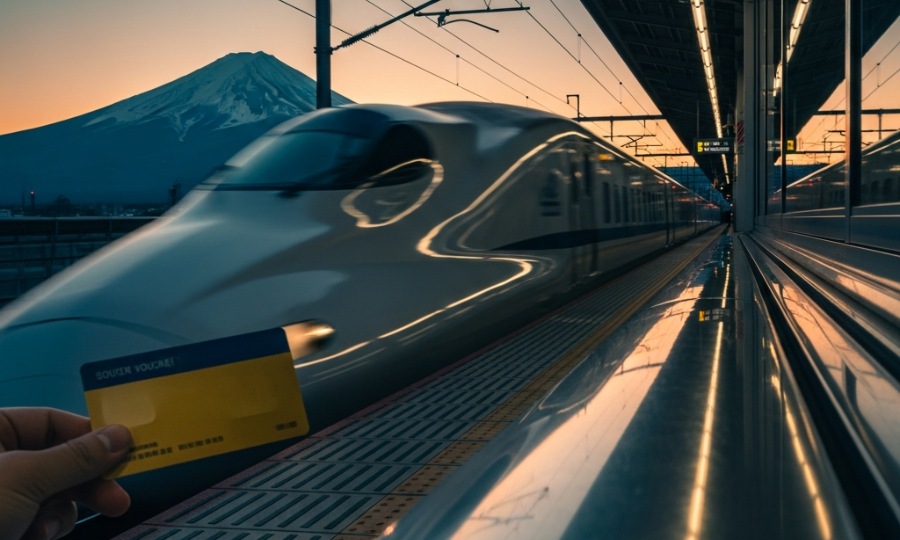
Traveling between these cities by Japan’s Shinkansen, or bullet train, is an experience in itself. These trains are incredibly fast, efficient, and punctual, making them the ideal way to cover long distances. But what about the Japan Rail Pass, you ask? This is where things get a little tricky after recent changes.
The Japan Rail Pass: Is it Still Worth It?
The Japan Rail Pass (JR Pass) offers unlimited travel on most JR lines, including the Shinkansen, for a set period. However, prices for the JR Pass increased significantly on October 1, 2023, by approximately 70%. This means that for many travelers, especially those doing a simple round trip between Tokyo and Kyoto, buying individual tickets might actually be more cost-effective. For example, a 7-day ordinary JR Pass costs ¥50,000. In comparison, a one-way Shinkansen trip between Tokyo and Kyoto costs around ¥13,320, meaning a round trip is approximately ¥28,000. You would need to make almost four such trips within a week for the pass to pay off.
So, when does the JR Pass make sense? It’s generally valuable if you’re planning intensive, long-distance travel across multiple regions in a short period, like a route from Tokyo to Kyoto, then Hiroshima/Miyajima, and back to Tokyo. A new benefit is that pass holders can now use the fastest Shinkansen services, Nozomi and Mizuho, by purchasing a special supplementary ticket for each leg of the journey, such as ¥4,960 for the Tokyo to Kyoto leg. You can purchase the JR Pass online via the official website, which also lets you reserve seats in advance.
Shinkansen Luggage Rules: What You Need to Know
One crucial detail for rail travel is managing your luggage. Most travelers can bring their bags on the Shinkansen without a special reservation if the total dimensions (length + width + height) are 160 cm or less. These bags usually fit comfortably in the overhead racks.
However, if your bag’s total dimensions are between 160 cm and 250 cm, it’s considered "oversized baggage" and requires a free reservation linked to your seat. You can make this reservation when you book your Shinkansen ticket or at a JR Ticket Office. Be aware that if you bring an oversized bag without a reservation on the Tokaido, Sanyo, and Kyushu Shinkansen lines, you might face a ¥1,000 penalty fee. Bags exceeding 250 cm in total dimensions are not allowed on the Shinkansen at all. Remember, items like strollers or sports equipment are exceptions to the oversized baggage rule, but you’ll still need a reservation for the dedicated oversized baggage area if you want to use it.
Booking Your Stay: Hotel Tips for Each City
Finding the right accommodation can really enhance your trip. You’ll want to think about location, budget, and the kind of experience you’re looking for. Generally speaking, booking your hotels early is a smart move, especially for popular destinations like Tokyo. It’s often recommended to book at least two months in advance, as hotels can fill up quickly.
Tokyo Hotel Hotspots
In Tokyo, you have a plethora of options. If you want to be close to the Shinkansen for easy travel to Kyoto and Osaka, consider staying near Ginza or Tokyo Station. For those who love vibrant nightlife and endless shopping, Shibuya and Shinjuku are excellent choices. If a deeper cultural experience is more your style, Asakusa offers a cozier, more traditional atmosphere with fantastic restaurants. Keep in mind that hotel rates can be lower if you choose a place that’s a bit further from the main train stations, perhaps a 10-minute walk away, which can be about 10% cheaper than those within a five-minute walk.
Kyoto Accommodation Considerations
Kyoto offers a mix of modern hotels and traditional ryokans, which provide a unique Japanese experience with tatami mats and futon beds. Staying near Kyoto Station is always convenient for transport. However, exploring areas like Gion or Higashiyama can put you closer to many of the city’s iconic cultural sites, allowing for more atmospheric evening strolls. When booking, remember that Japanese business hotel chains like Dormy Inn, Route Inn, and Daiwa Roynet often provide good value and are typically located near stations.
Osaka’s Best Bases
For Osaka, if you’re there for a short trip and want to be in the thick of the action, the Dotonbori district is your best bet. It’s the hub for nightlife, food, shopping, and entertainment. Areas between Shinsaibashi and Namba stations also offer excellent access to all the fun. Just like in Tokyo, being within a 10-minute walk of a train station in Osaka is generally recommended, as that will be your primary method of getting around.
General Booking Strategies
When it comes to actually booking, many travelers use major online travel agencies like Booking.com, Agoda, or Expedia to compare prices and options. Some sources suggest that booking directly with the hotel can occasionally offer better rates, so it’s worth checking both. Agoda and Trip.com are often highlighted as good options for bookings in Asia. Don’t forget to look for hotels with flexible cancellation policies, giving you peace of mind if your plans shift.
One last thing to remember: tipping isn’t customary in Japan. Trying to tip can actually cause confusion or even discomfort for the staff, as excellent service is simply expected.
Ready to Roll?
Planning a multi-city Japan trip by rail is an incredible adventure. You’ve got the lowdown on when to visit, how to pace your journey across Tokyo, Kyoto, and Osaka, and how to navigate Japan’s world-class train system, including those all-important luggage rules. You also have some solid advice on where to stay and how to book it. Now, what’s stopping you from starting to map out your dream Japanese getaway? Go ahead, start researching those neighborhoods and train routes, your unforgettable trip awaits!
Sources
- Japan National Tourism Organization (JNTO), US TOURISM TO JAPAN CONTINUES TO SHATTER RECORDS | Blog
- WebWire, Usa-Japan Tourism in 2024 Breaks All-Time Record
- Travel.state.gov – State Department, Japan Travel Advisory
Your virtual travel guide
Plan your multi-city trip in minutes
Add your cities and a hotel in each. AIrConxt sequences the whole journey, layovers and all, onto one timeline you can share.
Start planning →